Self-care isn’t selfish.– Unknown
Fill your own cup first and feed everyone else from the overflow– Diane Johnson
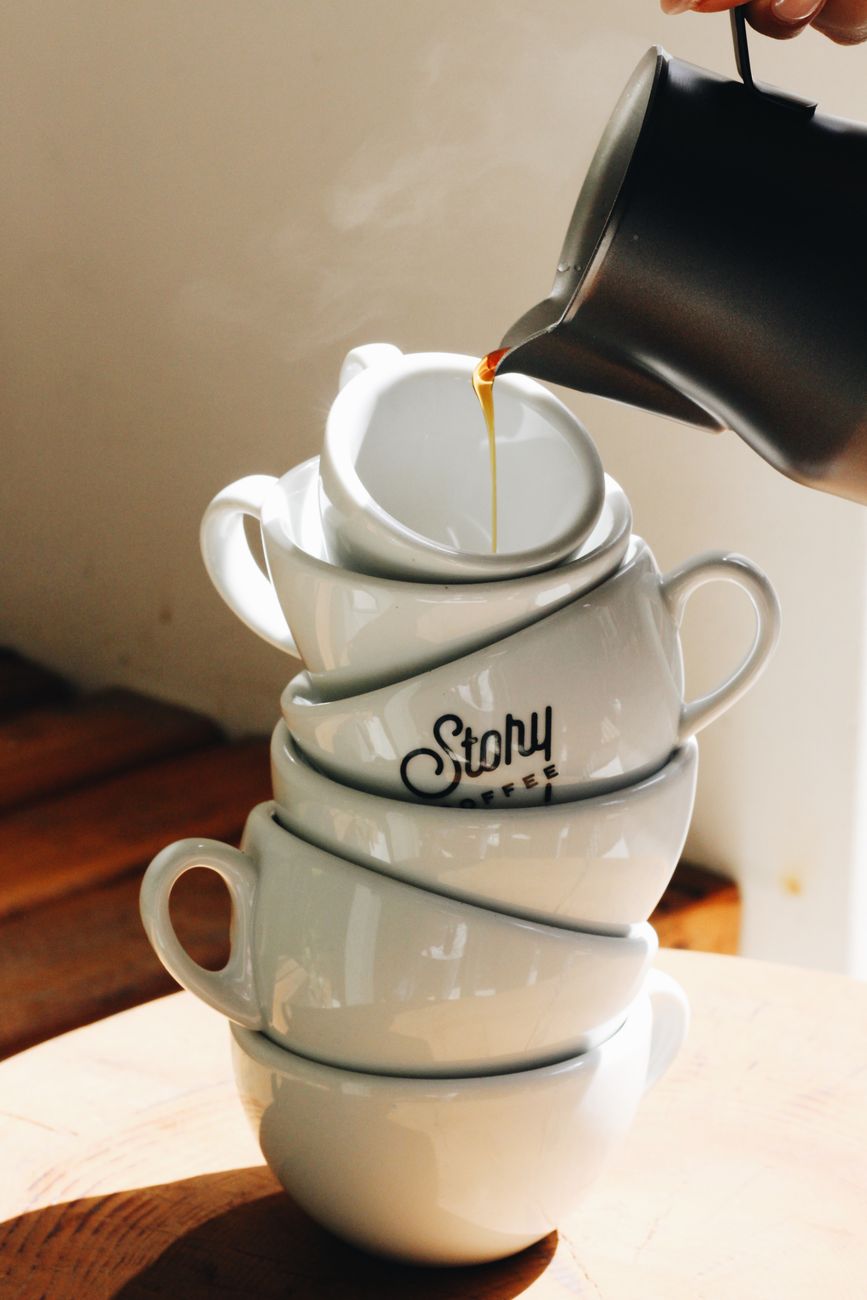
You can’t pour from an empty cup.– Everyone
“You can’t pour from an empty cup” is a logical thing to say. Therefore, filling your metaphorical cup before you give to others is logical advice, but counterintuitive to what we believe. Some of the most compassionate sounding writers and influencers of our time champion this mantra over and over again, especially in the parenting advice world, but something in our cultural upbringing makes it hard to follow.
We are taught from a young age to fight our selfish nature and share, be nice, think of other people’s feelings. So, naturally, we assume enjoying our possessions alone when others want them, creating conflict, and not acting in response to other people’s every feeling is wrong.
Filling your cup first feels like doing all of that at the same time.
The most common example/ metaphor of this is when the flight attendant comes by before take off and reminds you (yes you, mother with small child sitting next to you), to put your face mask on first, then your child’s, if a big, scary emergency happens. They want to remind you because it is counter to instinct. Helping the more vulnerable person first feels like the right thing to do.
Can I get a refill?
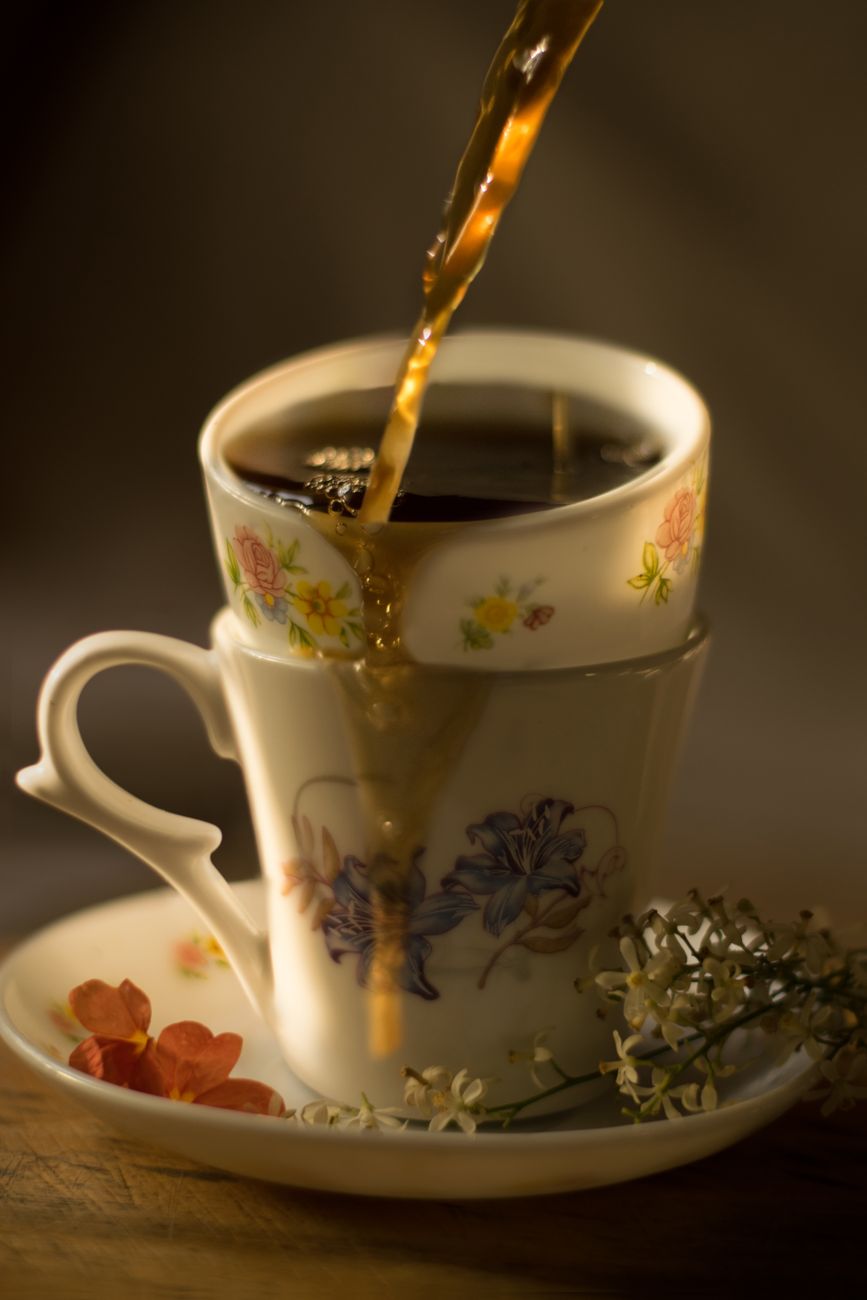
That’s why, sometimes, when I am filling my cup, I ask myself… am I doing this right? I ask because it doesn’t feel like the “right” thing to do and I am a “nice” person that likes doing the “right” thing. If I don’t even know if I am doing the right thing, how can I know if I’m doing it the right way?
Adding to the complexity is an even more basic question: how do I know when it is empty?
It seems like a silly question but when there are so many times in life that you are taught to keep pushing through discomfort, exhaustion, and even pain. The signals can get mixed up. We may not know what empty fills like. Does it feel like pain? Or does it feel like exhaustion. Or it a mysterious third thing that combines all of the above.
There are definitely reasons to push through hardship. For example, there are many things about the postpartum period are hard, uncomfortable or painful, but you still have a big, new responsibility that you must pour yourself out for, hopefully with some help. To that point, almost any intense time of caregiving, like for a sick loved one, includes a lot of hard. There are also less serious times– running a race, meeting a big work deadline, or trying to break and unhealthy habit. These things are exhausting, painful, or both so it is hard to know at what point in the process the cup is actually empty.
Empty cup as burnout
The most likely answer for what an empty cup looks like is burnout. But burnout is not a place I want to start over from (again) so I would rather know what it looks like when my metaphorical cup is low. Most research one burnout focuses on it relative to a single responsibility: work burnout, parenting burnout, etc., but the definitions are similar. The definition from WebMD (lol at me quoting WebMD) describes it in a way that struck me.
“Burnout can be caused by stress, but it’s not the same. Stress results from too much mental and physical pressure and too many demands on your time and energy. Burnout is about too little. Too little emotion, motivation, or care. Stress can make you feel overwhelmed, but burnout makes you feel depleted and used up.”1
Psychologists, Gail North and Herbert Freudenberger, created a burnout identification tool with 12 progressive stages before absolute burnout that requires medical care and “neglecting your needs” is number three. This seems to be where filling that proverbial cup comes in.
Getting your cup filled
There is so much information on how to do self-care and fulfilling your own needs that I do not need to repeat them here. One thing that seems consistent is that at its foundation it is very universal and beyond that it is deeply personal. At its root, you and I have to make sure we are eating enough and not too unhealthy, sleeping enough, moving our bodies enough drinking water and not isolating ourselves. Beyond that we must know ourselves enough to know what helps us relax and keep our priorities balanced.
I guess, if we are pouring out too much at work, committing to an evening activity that requires us to be offline for a couple of hours could be cup filling. Or if we are pouring out too much to our families perhaps a protected time for a hobby, or phone call or (gasp!) activity outside the house would help. It seems we need things that remind us of who we are because the next stages of burnout include changing our values, becoming bitter, angry and apathic. Things that I don’t want and I’m sure no one else does. (I said I wouldn’t give examples yet here I am still doing it!)
I have come to the conclusion for myself that it is not a solo activity. I thought it was in my single days and I carried that mindset over to today as a wife and mother. But even as a single woman I relied on the company and care of my friends and family to find joy, compassion, wisdom, and rest. I need the same today both for sharing in the burdens that are stressing me out and bringing opportunities for that joy, compassion, wisdom and rest.
The great irony about my first question of whether I am “doing it right” is that one of the roots of burnout is the drive to do everything right. The truth is the pressure of perfection is agonizing for an imperfect being like me. I don’t know if I’m doing it right.
I just know it is right to do it. I trust that my feelings will catch up.


Leave a comment